The reusable water bottle category has been growing for over a decade, but the pace hasn’t slowed the way you’d expect from a mature market. New brands keep entering, existing brands keep expanding their SKU counts, and wholesale volumes for insulated metal bottles have continued climbing even as consumer spending tightened in other categories. Understanding why this is happening — and what’s actually driving demand — helps explain both why the category is worth entering and what kind of product positioning actually works in it.
The Regulatory Tailwind Is Real and Ongoing
Single-use plastic restrictions have been implemented or announced in over 60 countries since 2018. The EU’s Single-Use Plastics Directive eliminated a wide range of disposable plastic items and created mandatory labeling requirements that make reusable alternatives more visible in retail contexts. Similar legislation has passed at the state and city level across the United States, Australia, and parts of Asia.
These regulations don’t directly mandate reusable bottles, but they create consistent friction around the disposable alternative. When a consumer can no longer pick up a cheap plastic bottle at a venue or is charged extra for it, the economic case for carrying a reusable bottle improves. That friction has been accumulating for years and continues to build as more jurisdictions implement restrictions.
The practical effect on the metal bottle market is a steady baseline of demand that doesn’t depend on trend cycles. Even without the lifestyle and wellness associations that have boosted the category further, the regulatory environment alone would support sustained volume.
The Insulation Factor Changed the Category
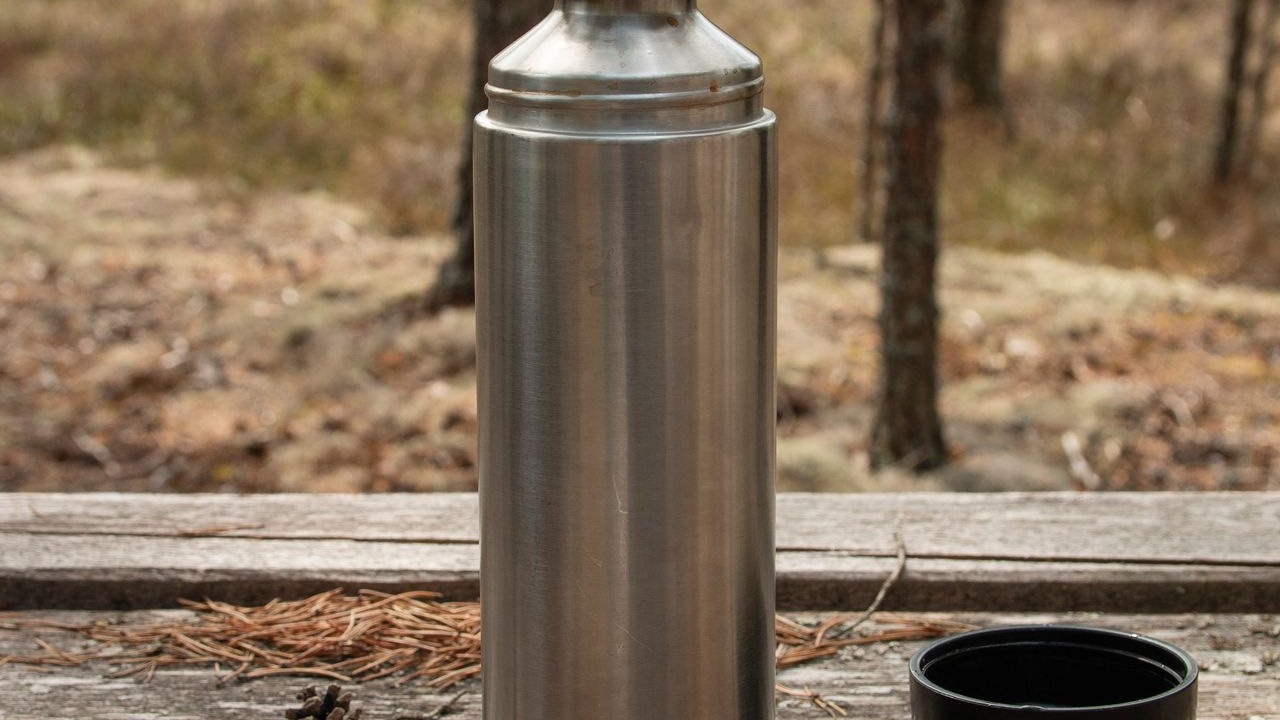
For most of the reusable bottle market’s early history, the dominant products were single-wall aluminum or stainless steel bottles — functional but limited, because they couldn’t maintain temperature. The mainstream adoption of double-wall vacuum insulation changed the value proposition of the category entirely.
A bottle that keeps coffee hot for six hours and water cold for twelve isn’t just an environmental choice — it’s a functionally better product than a disposable cup or a non-insulated bottle for most daily use scenarios. That functional advantage detached demand from purely values-driven purchasing and brought in a much larger consumer base that buys on performance.
The insulation technology itself is no longer proprietary or particularly expensive at scale. What this means for the wholesale market is that the performance baseline is now widely achievable, and differentiation has moved to other factors: weight, lid design, size range, coating durability, and brand aesthetic.
Where the Growth Is Actually Coming From
The consumer wellness trend has been the most visible driver in media coverage of this category, but it’s not the only one. Three other demand sources are contributing to sustained wholesale volume:
Corporate gifting and branded merchandise has expanded significantly. Insulated metal bottles have become the default premium corporate gift in many markets, replacing the pens and notebooks that were standard a decade ago. Companies ordering branded bottles for employee welcome kits, conference giveaways, and client gifts represent a meaningful portion of total wholesale volume, and this segment prioritizes consistent quality and reliable delivery over price minimization.
Food service and hospitality is a growing channel. Hotels, gyms, coffee chains, and co-working spaces have moved toward providing reusable bottles as part of their guest experience or selling them as merchandise. The logic is partly environmental positioning and partly that branded bottles in circulation function as ongoing marketing. These buyers need consistent specs across large orders and often require custom branding.
Youth sports and education represents stable volume that doesn’t correlate with trend cycles. Schools, sports clubs, and youth organizations consistently purchase water bottles in bulk, and metal bottles have largely displaced plastic in these contexts due to durability and parent preference around materials.
What Custom Branding Actually Adds
For brands entering this category, the most important structural advantage of working directly with a manufacturer is the ability to control the product’s appearance at the source rather than adding branding downstream.
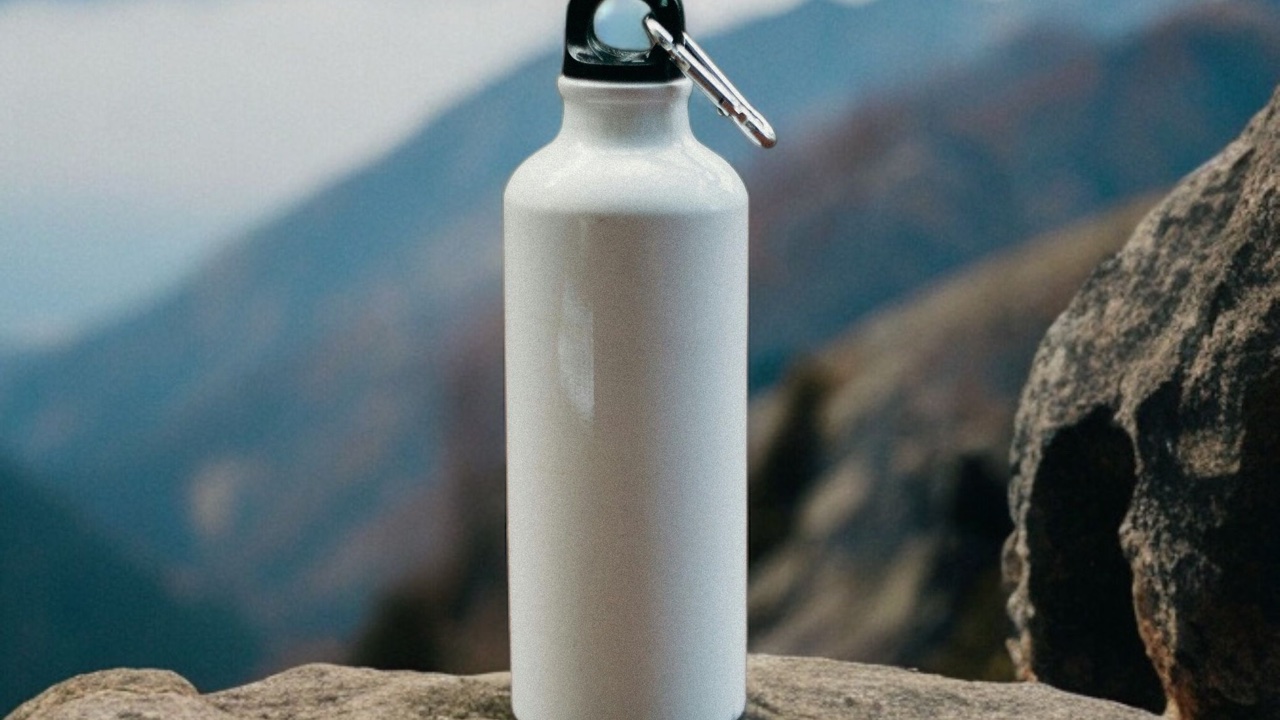
Screen printing, laser engraving, powder coating in custom colors, and custom lid configurations are all standard capabilities at the manufacturing level. Brands that buy generic products and add their logo via a third party are working with a more limited range of options and paying margin to an intermediary. Working directly with a supplier who can execute custom specs means the finished product is differentiated at the product level rather than just at the label level.
This matters because the metal bottle category has developed visual conventions that consumers recognize — the aesthetic of a well-made insulated bottle has become part of what signals quality to buyers. A bottle that looks purpose-built for a brand reads differently than one that looks like a generic product with a logo applied.
For brands exploring what’s available in terms of capacity ranges, finish options, and minimum order quantities, wholesale metal water bottles sourced directly from a manufacturer generally offer substantially more flexibility than buying through distributors, particularly for custom colorways and lid types.
The Durability Dynamic
One counterintuitive aspect of the metal bottle market is that high durability is actually good for the category rather than limiting repeat purchases. A bottle that lasts five years doesn’t generate the same repurchase frequency as a disposable product, but it does generate referrals and brand loyalty that disposables don’t.
Brands that have built strong positions in this category — whether through direct-to-consumer channels or retail — consistently emphasize longevity as a core selling point. Consumers who get three or four years out of a bottle and replace it tend to replace it with the same brand. The durability creates an attachment that lower-cost, shorter-lifespan alternatives don’t generate.
This also affects the wholesale equation. Buyers for corporate gifting and hospitality explicitly prefer products that will stay in service and continue to represent the brand well. A bottle that fails at the hinge or coating within six months reflects on the brand that gifted it. Durability is part of the value proposition in the B2B market in a way that doesn’t apply to most disposable or fast-moving consumer goods.
What the Market Looks Like From a Brand Entry Perspective
The category is competitive but not saturated in the way that some consumer goods categories are. There is no single dominant brand with the kind of market share that makes entry structurally difficult. The market leaders have strong positions in certain channels but those positions aren’t insurmountable, particularly for brands that enter with a clear positioning and a well-executed product.
The categories within the category where there’s meaningful whitespace are niche size formats (very small or very large capacity), specialized lid designs for specific use contexts, and regional customization for markets outside the US and Europe where global brands have weaker distribution.
The barrier to entry is real but not prohibitive. It’s primarily about finding a manufacturing partner who can execute consistent quality at the volume needed to achieve viable unit economics, and establishing the sales channels to move product at scale. The demand is there — the question for any new entrant is whether their product and positioning give consumers a reason to choose them.
The structural factors driving the market — regulation, functional advantage over disposables, wellness trend, corporate adoption — aren’t going away. The brands that position early in underdeveloped segments of this category have historically done well, and that dynamic hasn’t fundamentally changed.