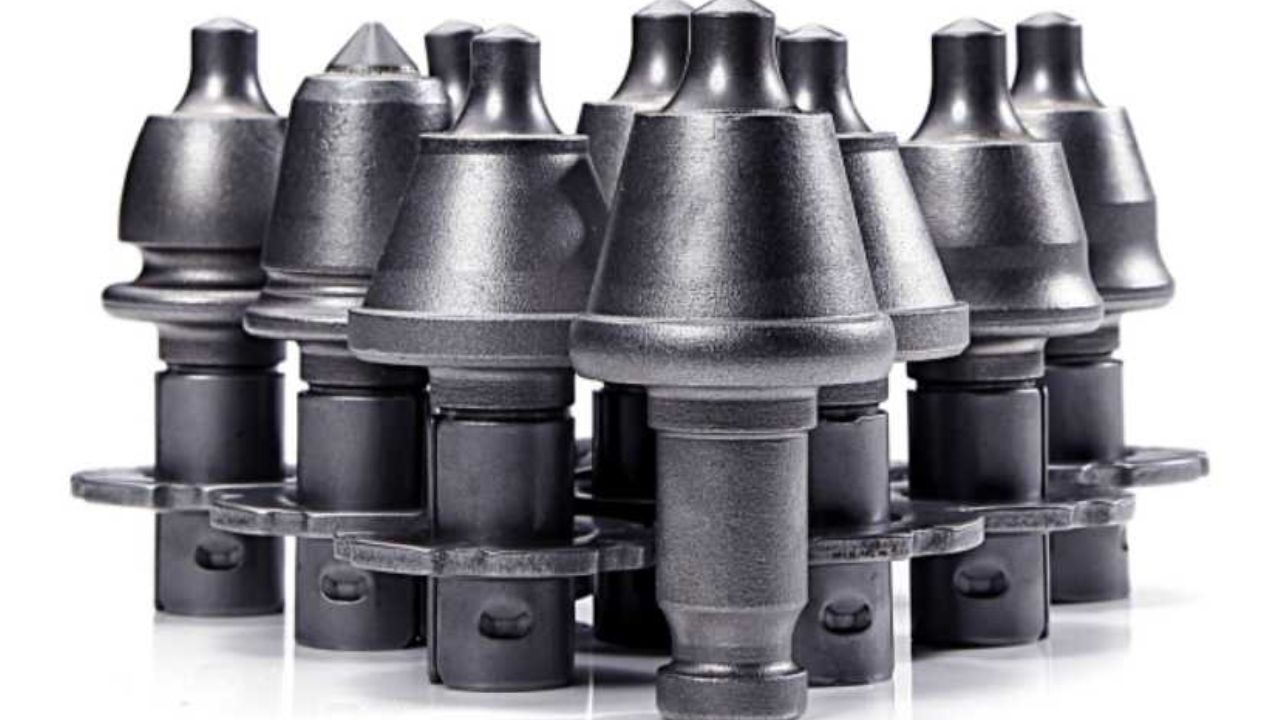
Road milling bits are small but very important parts of road construction and maintenance machines. They cut and scrape off asphalt or concrete surfaces in road milling work. These bits may have a very large variation in lifespan based on numerous factors. Certain bits can be very short-lived, whereas others can last a lot longer. Their longevity directly influences the cost of a project, the functionality of machines, and work efficiency. The longer the road milling bits, the better, as companies will save money and minimize machine downtime. But as soon as they wear out too quickly, replacement costs rise, and productivity decreases. The duration of the tools working well under real working conditions is influenced by a variety of factors.
Material Quality of Milling Bits
One of the most critical factors that influences the life of road milling bits is the quality of materials that they are made with. The majority of good-quality bits are produced using tungsten carbide tips and hard steel bodies. Tungsten carbide is highly hard and capable of dealing with heavy friction and heat when cutting. When the material is not of good quality, the bits cut so easily and are no longer able to cut. Durability is also enhanced by good manufacturing processes, which include heat treatment and a good bond between steel and carbide. Properly made bits can work long hours on heavy work, whereas low-grade ones can easily break or become dull in a few hours.
Machine Settings and Operating Speed
The operation of a road milling machine also influences the life of the bits. When the machine is running at a very high speed or exerting excessive pressure, the bits may soon wear out. Tool stress may also be caused by incorrect cutting depth. The bits experience unequal forces when the settings of the machine are not balanced, resulting in quicker damage. Conversely, the right speed and regulated cutting depth will minimize unjustified strain. Constant and comfortable machine running enables the bits to cut effectively without overheating. This enhances performance and contributes to the increase in the life of the milling bits.
Operator Skill and Usage Practices
The life span of road milling bits directly depends on the competence of the machine operator. A trained operator knows how to manage the speed, pressure, and cutting depth under various road conditions. The bits can be damaged by poor working, e.g., sudden change of direction or excessive force. Even seasoned operators are aware of how to identify the early indicators of wear and change machine settings in that way. Good working practice, like not having too much work on the bits and making sure they run smoothly, will prevent the bits from being put under unnecessary stress. One of the easiest and most effective methods of extending the life of the tools is proper handling during operation.
Environmental and Working Conditions
The environment also influences the duration of road milling bits. The heat accumulation during cutting can also be accelerated by high temperatures, thereby accelerating wear. Dusty conditions result in increased friction between the bit and the surface, which results in accelerated damage. Wet/muddy conditions may also affect performance by decreasing cutting efficiency. Moreover, the vibration and stress on bits are enhanced by working on uneven or poorly maintained roads. Other weather conditions that may interfere with the material strength are extreme heat or cold. In the cases where the working environment is harsh, milling bits will wear out naturally at a higher rate than in normal working conditions.
Storage and Handling of Bits
The storage and handling, both prior to and after use, also contribute to the life of road milling bits. When the bits are kept in a dry and clean environment, they are not likely to rust or be damaged. Corrosion can occur as a result of poor storage conditions, and corrosion makes the metal weak and results in poor performance. Small cracks or damage to the carbide tips may also be brought about by rough handling during transport. Arranging bits correctly and preventing the wastage of effect contribute to preserving their quality. When handling the bits, utmost care is taken to ensure that they are in good condition before being installed on the machine, thereby enhancing their working life.
Conclusion
The life of road milling bits is determined by numerous related factors such as the quality of materials, the type of surface, machine settings, the skill of the operator, maintenance, the working conditions, and storage practices. All the factors have a significant influence on the duration of the bits being efficient. Once all these factors are effectively maintained, the tools are durable and have better performance in road construction projects. This assists in minimizing expenses, enhancing efficiency, and facilitating seamless operations. By learning about these factors, companies can make superior decisions and ensure they derive maximum value out of their road milling equipment.